
Creating a fun and engaging outdoor play space for your kids is something every parent dreams of. As the weather warms up, you might find yourself craving creative backyard activities that allow your children to connect with nature while exploring their imaginations. That’s why I’ve gathered some inspiring mud kitchen ideas that transform outdoor play areas into sensory-rich zones filled with adventure and learning.
If you’re a parent, caregiver, or educator who values eco-friendly practices, this post is tailored for you. You want to provide your little ones with opportunities to engage in hands-on learning that sparks their creativity. With these kids mud kitchen ideas, you can create a playful environment that encourages exploration and social interaction. Whether it’s through mixing mud pies or creating concoctions from garden herbs, these ideas will help you design an outdoor haven where children can play, learn, and grow.
In this post, you’ll discover ten unique mud kitchen ideas that not only promote sensory play but also embrace sustainability. From rustic wooden designs to upcycled wonders, each concept is easy to implement and adds charm to your backyard. Let’s dive in and explore how to make your outdoor play space a delightful retreat for your children.
Key Takeaways
– Discover ten unique mud kitchen ideas that foster creativity and sensory exploration in outdoor play spaces.
– Learn how to make rustic wooden designs and upcycled kitchens using sustainable materials.
– Explore interactive features like water elements and themed adventure kitchens for enhanced play.
– Get practical tips on integrating mud kitchens into your existing garden layout.
– Find out how to encourage community involvement with projects like community sharing kitchens.
1. Rustic Wooden Delight

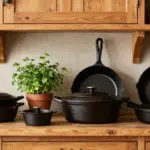
A mud kitchen crafted from reclaimed wood radiates a rustic charm that beautifully integrates with the natural surroundings. This combination not only creates visual harmony but also promotes sustainability by reusing materials. Imagine a weathered wooden countertop paired with a sturdy basin, perfect for mixing mud pies, while shelves display a collection of nature’s treasures like rocks and leaves. Colorful utensils enhance the inviting feel, making the kitchen a true haven for creativity.
To maximize this rustic setup, consider adding open shelving for easy access to tools and treasures. You can easily find budget-friendly options by sourcing reclaimed wood from local suppliers or even DIY-ing with pallets. This approach not only complements broader eco-friendly design trends but also provides emotional benefits as kids engage in imaginative play.
– Pair rustic wood counters with open shelving for display
– Install hooks for hanging fun tools within reach
– Use a removable tub for easy cleanup post-play
This delightful kitchen setup encourages exploration and creativity while allowing children to experiment with textures and materials in a natural environment. The warmth of wood combined with playful accessories creates a welcoming atmosphere that inspires imaginative outdoor adventures.
2. Upcycled Wonders

Transforming old furniture into a mud kitchen is a brilliant way to embrace sustainability and creativity. An unused dresser or side table can easily become a whimsical cooking space with just a splash of paint and some fun decorations. By repurposing pots and utensils, you not only craft a unique kitchen but also teach children the value of recycling, all while stimulating their imaginations.
To make the most of your upcycled kitchen, choose vibrant, non-toxic colors to attract kids’ attention and give it a playful vibe. Look for old furniture at thrift stores or garage sales for budget-friendly options. This project aligns well with current design trends that emphasize resourcefulness and creativity in play spaces.
– Paint old furniture with bright, child-safe colors
– Attach wheels to easily move the kitchen around
– Use old tires for seating or nearby herb gardens
The charm of an upcycled mud kitchen lies in its uniqueness, ensuring that each piece is as one-of-a-kind as the children who play in it. These kitchens inspire resourcefulness and creativity, allowing little chefs to explore the magic of mud while learning valuable lessons about sustainability.
Upcycling an old dresser into a mud kitchen can reduce plastic waste by up to 60%. Start with a quick clean, sand for smooth surfaces, and finish with vibrant, non-toxic paint to spark creativity and teach kids sustainable mud kitchen ideas.
3. Natural Stone Features

Integrating natural stones into a mud kitchen creates a stunning, organic aesthetic that harmonizes with the outdoors. A stone countertop not only serves as a practical workspace but also adds durability and a touch of nature’s beauty. Surrounding the kitchen with pebbles or larger stones encourages children to engage with different textures, enhancing their playful experiences with mud and water.
To create a standout stone kitchen, collect smooth stones from your backyard or local riverbeds, ensuring they are safe for little hands. This setup aligns with the trend of natural materials in design, encouraging children to connect with nature while they play and learn.
– Collect stones that are smooth and safe for kids
– Ensure stability by securely arranging larger stones
– Paint some stones in fun colors for added flair
A natural stone kitchen not only provides a visually stunning play area but also opens up opportunities for sensory exploration, making outdoor play a rich and engaging experience for children.
4. Colorful Canopy Kitchen

Setting up a mud kitchen beneath a colorful canopy transforms outdoor play into a vibrant adventure. A bright tent or fabric not only offers shade but also infuses the space with joyful colors, inviting kids to unleash their creativity. Pair this setup with cheerful utensils and pots to enhance the playful atmosphere, encouraging children to craft their wildest mud recipes without worrying about the weather.
For durability, opt for weather-resistant materials that can withstand the elements, ensuring year-round fun. Consider sourcing colorful fabric from local craft stores or using repurposed materials for a budget-friendly option. This whimsical setup aligns with current trends in outdoor play, creating an inviting and engaging environment.
– Choose durable, weather-resistant materials for longevity
– Add twinkling lights for magical evening play
– Include soft cushions for cozy seating
A colorful canopy kitchen becomes a delightful centerpiece for outdoor activities, fostering imagination and creativity while providing a spectacular visual experience.
“Colorful canopies turn outdoor play into a mud kitchen ideas adventure. A bright canopy not only shades kids but sparks creativity with cheerful utensils and weather-ready materials. Pro tip: choose durable, weather-resistant gear so the fun lasts rain or shine!”
5. Sensory Garden Kitchen

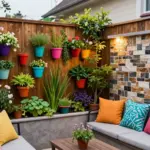
Combining a mud kitchen with a sensory garden creates a rich and engaging play environment for children. Surrounding the kitchen with various plants and flowers stimulates their senses through vibrant colors, delightful scents, and interesting textures. The inclusion of a tactile pathway made from different materials leads to the kitchen, encouraging kids to explore and discover as they play.
When planting, select non-toxic options to ensure safety, and consider herbs with unique textures like lamb’s ear or fuzzy plants. This setup not only enhances outdoor play but also nurtures a love for nature, tapping into broader trends that celebrate environmental awareness.
– Choose non-toxic, sensory-rich plants for safety
– Incorporate a variety of textures in the garden layout
– Designate areas for different sensory experiences
A sensory garden kitchen engages children on multiple levels, making outdoor play an enriching experience that fosters creativity while connecting them to the natural world.
Mud kitchen ideas thrive when you plant for play: a sensory garden invites colors, scents, and textures that kids can touch and explore. Add a tactile path to guide their steps, and watch eco-friendly outdoor play bloom. Fun, safe, and endlessly creative.
6. Portable Mud Kitchen

For families who love to explore, a portable mud kitchen brings the fun along wherever you go! Using a foldable table or wheeled cart allows for easy setup in parks, at the beach, or in your own backyard. This versatile option enables kids to enjoy mud play in various environments, equipped with lightweight utensils and containers for mud and water.
To ensure easy cleaning, choose waterproof materials that can withstand outdoor conditions. Look for simple, collapsible options at local stores for cost-effective solutions. This kind of mud kitchen reflects the current trend towards flexibility and mobility in outdoor play.
– Use waterproof materials for quick and easy cleanup
– Include storage for utensils to keep everything organized
– Ensure lightweight materials for hassle-free transport
A portable mud kitchen opens up endless opportunities for outdoor adventures, encouraging children to explore and create in a variety of settings.
7. Interactive Water Feature

Adding an interactive water feature can elevate your mud kitchen to a whole new level of fun! A small water pump or fountain introduces an engaging element to playtime, allowing kids to utilize flowing water for their imaginative mud recipes. Ensuring that the water source is easily accessible yet safe for little hands enhances the overall experience.
Consider using solar-powered pumps for an eco-friendly option that requires minimal maintenance. This aligns perfectly with current trends emphasizing sustainability and engaging outdoor play.
– Incorporate solar-powered pumps for an eco-friendly touch
– Add a basin for water collection and easy access
– Design the setup with drainage to manage excess water
An interactive water feature not only enhances sensory experiences but also makes mud play more exciting and educational for children.
How To Choose the Right Mud Kitchen for Outdoor Play Spaces
When selecting the perfect mud kitchen for your outdoor play area, consider various factors to ensure it meets your needs and those of your children. These considerations will help you create a fun and engaging space for creative outdoor play that promotes sensory experiences.
1. Size
Think about the available space in your backyard or outdoor area. A large mud kitchen can offer more surfaces for play, while a smaller one can fit into tight spaces. Measure the area where you plan to place the kitchen, keeping in mind that children need room to move around. Aim for at least 3-4 feet of clearance around the kitchen for safe play.
2. Material
Choose a material that suits your environment. Wooden mud kitchens offer a natural look and feel but require regular maintenance to prevent rot. Metal constructions are durable and easy to clean but can heat up in the sun. Consider using eco-friendly materials like reclaimed wood or bamboo for a sustainable option. These materials not only look great but also support your eco-friendly ethos.
3. Features
Look for features that enhance playability and creativity. Some mud kitchens come with built-in sinks, storage areas, or even chalkboards for drawing. Think about what your children enjoy. If they love making mud pies, a deeper sink might be essential. Decide on the tools or accessories you’d like to include, such as pots, pans, and utensils that they can use to create their culinary masterpieces.
4. Budget
Establish a budget before you start shopping. Mud kitchens can range from affordable DIY options to high-end, pre-made sets. Compare the costs of materials if you choose to build your own. Keep an eye out for sales and second-hand options, especially if you’re interested in upcycled mud kitchens. Remember, investing a bit more in quality materials may save you money in the long run.
5. Design
Choose a design that complements your outdoor space. A rustic wooden delight might fit well in a garden setting, while a colorful canopy kitchen could brighten a patio. Think about the colors and style of your backyard. You could even incorporate natural stone features for a more integrated look. Ensure the design encourages creativity and exploration, making it visually appealing for children.
6. Safety
Lastly, ensure that the mud kitchen is safe for children to use. Check for any sharp edges or unstable parts. If using wood, ensure it is treated and free of harmful chemicals. Heavy items should be securely placed to prevent accidents. Always supervise young children while they play to ensure their safety during their outdoor adventures.
Pro Tip: Involve your kids in the decision-making process! Let them help choose features or colors. This engagement will excite them about their new mud kitchen and encourage imaginative outdoor play.
By considering these factors, you can create a mud kitchen that not only encourages creative outdoor play but also fits seamlessly into your backyard. Happy building!
8. Themed Adventure Kitchens

Creating themed mud kitchens can add an extra layer of excitement to outdoor play. Whether you choose a pirate ship, a fairy garden, or a chef’s corner, themes allow kids to immerse themselves in imaginative worlds. Use colored decorations, props, and signage to bring the theme to life, encouraging storytelling and role-playing during playtime.
To keep things fresh, regularly rotate themes to maintain excitement and engagement. Involve kids in the decoration process to spark their creativity and ownership of their play space. This approach taps into current trends that celebrate imaginative play and creative exploration.
– Rotate themes often to keep playtime exciting
– Encourage kids to suggest new themes and ideas
– Incorporate costume pieces for a fun twist
Themed adventure kitchens inspire unlimited fun and creativity, making every play session a unique storytelling opportunity.
9. Garden-Integrated Designs

Integrating a mud kitchen within an existing garden creates a cohesive and educational outdoor space. Planting easy-to-care-for herbs and vegetables nearby allows kids to learn about gardening while enjoying their playtime. They can pick fresh ingredients for their imaginative recipes, fostering an appreciation for nature and healthy living.
Choose plants that are easy for kids to maintain and create labeled sections to help them learn about different varieties. This kind of setup promotes both play and learning, aligning with contemporary trends that emphasize educational outdoor experiences.
– Select easy-to-grow plants for kids to care for
– Create labeled sections to educate about various plants
– Involve kids in gardening tasks for hands-on learning
A garden-integrated mud kitchen fosters a delightful fusion of play and education, making it a fantastic addition to any outdoor space.
10. Community Sharing Kitchen

Building a community mud kitchen fosters friendships and cooperation among children in your neighborhood. This larger setup invites kids to come together and create while enjoying collaborative play. Design it with ample seating, a spacious countertop, and plenty of utensils for everyone, encouraging shared experiences and learning.
Organize community events around cooking activities to bring families together and establish a sense of belonging. This approach aligns with the growing trend of community engagement and shared outdoor experiences.
– Host community events focused on cooking activities
– Establish rules for sharing and cleaning up together
– Rotate responsibilities for maintaining the kitchen
A community mud kitchen not only enhances outdoor play but also creates bonds among families, ensuring everyone enjoys the magic of collaborative creativity.
Conclusion

Creating an outdoor mud kitchen is more than just building a play space; it’s about fostering creativity, sensory exploration, and a connection with nature. From rustic designs to community sharing kitchens, each idea brings something unique to the table.
Encouraging outdoor play helps children develop important skills while having fun. So whether you start small or go big, a mud kitchen can transform your backyard into an adventure-filled wonderland! Let the mud pies begin!
Frequently Asked Questions
What are sustainable mud kitchen ideas for eco-friendly outdoor play spaces?
Discover mud kitchen ideas that lean on natural, repurposed materials to fit any outdoor play spaces. Use reclaimed wood, stone, and metal trays instead of plastic to reduce waste.
Set up a simple water station by collecting rainwater or using a shallow basin so kids can explore sensory play ideas without creating a lot of waste. Color can come from natural dyes like turmeric, beet powder, or spinach juice—no heavy paints needed.
Design a modular, low-cost station with accessible storage and a sturdy surface for creative outdoor play. Keep cleaning easy and surfaces kid-friendly with sealants that are safe and non-toxic.
How can I set up a kids mud kitchen in a small backyard or balcony?
For small spaces, go vertical and modular. Pick a sunny corner near shade, and use a compact table or a bench with a built-in shallow tub.
Use weatherproof containers and metal or wooden utensils; avoid bulky plastics. Create separate zones: mud mixing, pouring, and pretend cooking. Use stackable bins that tuck under the table when not in use, and hang tools on a simple pegboard for easy access. Pair with a small garden tray to catch spills and keep backyard activities neat. This setup brings mud kitchen ideas to tight spaces without sacrificing imagination.
What materials are best for a safe and sustainable mud kitchen for outdoor play?
Focus on natural, non-toxic materials. Choose untreated, weather-resistant wood, smooth rocks, metal mixing bowls, and sturdy baskets for tools. Use clean, local soil and sand, plus water from a tap or rain barrel. For color accents, opt for natural pigments like turmeric or beetroot powder instead of synthetic paints.
Keep safety in mind: avoid pressure-treated wood near kids, seal wood with food-safe beeswax or mineral oil, and check for splinters regularly. All-in-all, these mud kitchen ideas stay friendly to kids and the planet while boosting creative outdoor play.
How can I incorporate sensory play ideas into mud kitchen activities for development?
Sensory play ideas shine in a mud kitchen. Offer texture choices—dry soil, wet mud, sand—so kids explore contrasts, build vocabulary, and boost fine motor skills.
Introduce color mixing with natural pigments to spark curiosity and early math skills as they measure and combine colors. Add safe scents from herbs or citrus zests for another layer of discovery, and invite pretend cooking to boost language and social play. Rotating tools and materials keeps sessions fresh and encourages creative outdoor play and sensory play ideas.
How do I maintain and clean a mud kitchen without harming the environment?
Keep it tidy without trashing the planet. Use minimal soap or biodegradable wash, and rinse dishes with greywater that goes to the garden or compost area. Let items air-dry and store them in weatherproof bins between sessions.
Cover the setup when not in use to protect from weather and pests, and rotate tools to extend life. When you refresh materials, choose reusable, sustainable options and always inspect surfaces for safety. With these steps, your mud kitchen ideas stay kid-friendly, eco-conscious, and ready for more outdoor play spaces.
Related Topics
mud kitchen ideas
outdoor play spaces
sustainable design
kids mud kitchen
sensory play
creative outdoor play
backyard activities
eco-friendly projects
DIY mud kitchen
family-friendly
hands-on learning
summer activities